Postpartum Recovery & Pelvic Health
Your body goes through significant physical changes during pregnancy, labor, and delivery—and recovery doesn't happen overnight. Whether you're a few weeks, months, or even years postpartum, pelvic health physical therapy can help you understand your changing body and address concerns that may be affecting your recovery.
At Core Pelvic Health & Wellness, I provide individualized postpartum care to help you restore strength, mobility, pelvic floor function, and confidence as you return to the activities you enjoy.
Your postpartum recovery is unique
There is no one-size-fits-all postpartum recovery.
Every pregnancy and birth is different, and every body recovers differently. Whether you had a vaginal birth, cesarean birth, assisted delivery, or experienced complications during pregnancy or delivery, your postpartum needs are unique.
You also don't have to wait until your six-week postpartum visit—or until something feels significantly wrong—to seek physical therapy.
Postpartum care isn't just about “getting your body back.” It's about helping your body recover, function, and adapt to this new stage of life.
When should I see a postpartum pelvic floor PT?
When should I schedule?
You can schedule postpartum physical therapy at different stages of recovery depending on your needs. Some patients benefit from an early visit focused on education, positioning, breathing, mobility, and body mechanics, while others seek care later when returning to exercise or when persistent symptoms become apparent.
There is no expiration date on postpartum recovery. Whether you're a few weeks, several months, or years after delivery, you can still benefit from an evaluation.
What can postpartum physical therapy help with?
You may benefit from postpartum physical therapy if you are experiencing:
Urinary leakage
Urinary urgency or frequency
Constipation
Difficulty having bowel movements
Bowel leakage
Pelvic pressure or heaviness
Pelvic pain
Pain with intercourse
Vaginal or perineal discomfort
Tailbone pain
Low-back pain
Hip pain
Pubic symphysis pain
Abdominal discomfort
Diastasis recti concerns
Abdominal weakness
Scar discomfort following C-section or perineal injury
Difficulty returning to exercise
Pain or difficulty with running, jumping, lifting, or other activities
Difficulty with breathing or core coordination
General concerns about whether you're recovering appropriately
Vaginal birth recovery
Your body needs time to recover after vaginal birth.
Vaginal delivery can affect the pelvic floor muscles, connective tissues, abdominal wall, hips, and surrounding structures. Recovery may involve changes in strength, coordination, sensation, and comfort.
Physical therapy can help you understand these changes and gradually rebuild strength, mobility, coordination, and confidence.
Treatment may include:
Pelvic floor rehabilitation
Pelvic floor strengthening
Pelvic floor relaxation
Scar and perineal tissue mobility
Breathing and pressure management
Core rehabilitation
Hip and pelvic strengthening
Return-to-exercise progression
Body mechanics
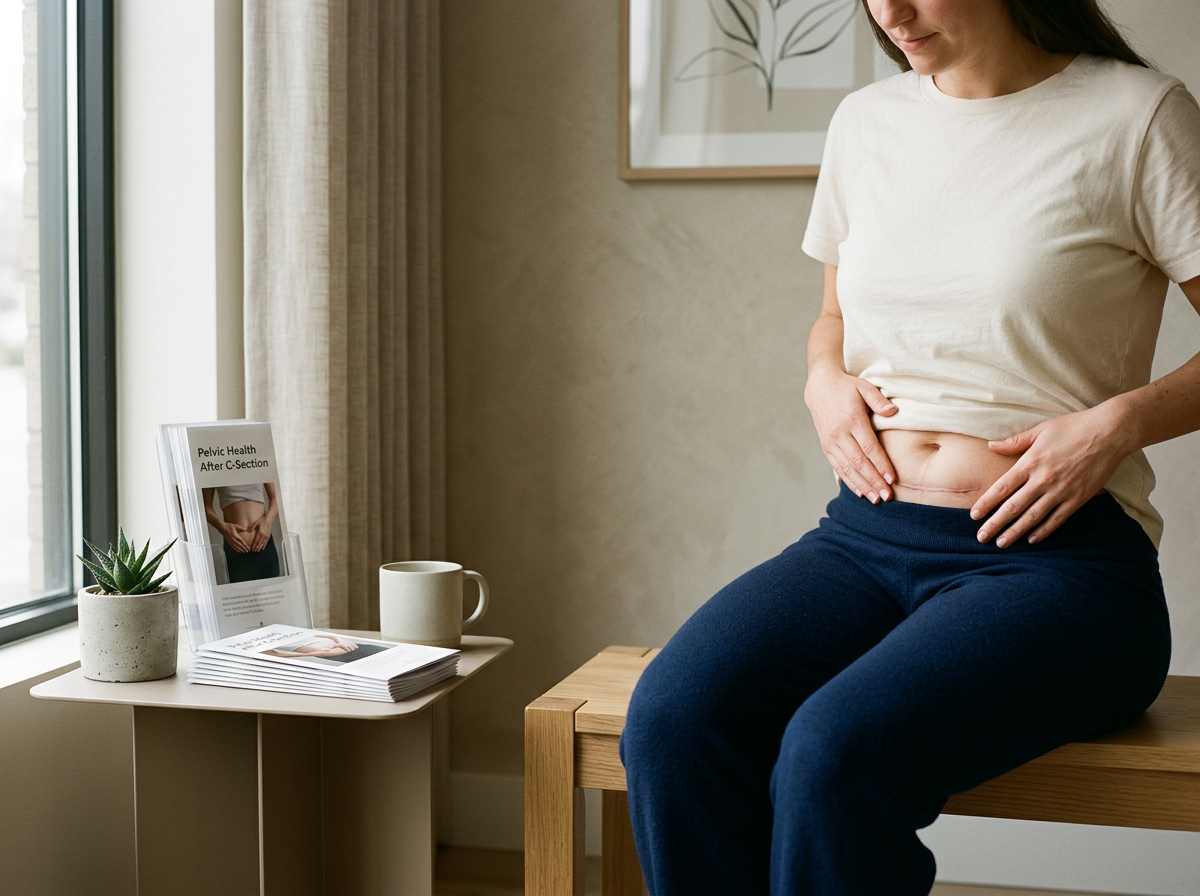
C-section recovery
Cesarean birth is major abdominal surgery.
Even when a C-section is planned and uncomplicated, your body needs time to heal. Physical therapy can help you safely return to movement and daily activities while addressing abdominal and pelvic floor function.
Treatment may include:
Getting in and out of bed
Lifting and carrying your baby
Feeding positions
Scar mobility
Abdominal wall rehabilitation
Breathing
Core coordination
Posture
Pelvic floor rehabilitation
Gradual return to exercise
Breastfeeding & lactation support
Breastfeeding shouldn't mean living with pain.
Feeding your baby can place significant demands on your neck, shoulders, back, chest, and pelvic floor. If you're experiencing discomfort while breastfeeding or pumping, physical therapy may be able to help.
Breastfeeding positioning
Pumping positioning
Posture
Neck and shoulder pain
Back pain
Rib and chest mobility
Breathing
Body mechanics
Position changes
Strategies for comfortable feeding
Clogged milk ducts
I can provide education regarding positioning, body mechanics, and movement strategies that may support comfort during breastfeeding. Persistent breast pain, redness, swelling, fever, or other concerning symptoms should be evaluated by an appropriate medical or lactation professional.
Returning to exercise
When can I start exercising again?
Returning to exercise after pregnancy is a gradual process. Rather than focusing on a specific timeline, I can help you assess how your body is responding to increasing physical demands and develop a progression based on your symptoms, strength, goals, and activity level.
Walking
Strength training
Pilates
Yoga
Running
Jumping
HIIT
Sports
Recreational activities
Leaking urine, pelvic pressure, pain, or heaviness during exercise are signs that your body may need additional support—not signs that you have to stop being active forever.
Everyday postpartum activities
Postpartum recovery isn't just about exercise.
Your body is also adapting to:
Feeding your baby
Carrying your baby
Lifting your baby in and out of the crib
Getting in and out of bed
Bathing your baby
Pushing a stroller
Prolonged sitting
Repetitive bending
Carrying a car seat
Returning to work
Sleeping in different positions
We can work together on body mechanics, positioning, breathing, and movement strategies that make these everyday activities more comfortable and sustainable.
What happens during your postpartum evaluation?
We start with your experience.
I will ask about your pregnancy, delivery, recovery, current symptoms, daily activities, feeding needs, exercise goals, and any concerns you have about your body.
We look at the whole picture.
Depending on your needs, I may assess:
Posture
Breathing
Abdominal wall
Core function
Pelvic floor function
Hips
Spine
Pelvic mobility
Strength
Movement patterns
Scar mobility
Then we create your plan.
I'll explain what I find and develop an individualized plan based on your goals—whether that means improving daily comfort, returning to exercise, addressing pelvic floor symptoms, or simply feeling more confident in your recovery.
Postpartum Care at Any Stage
You don't have to be newly postpartum to benefit from pelvic health physical therapy.
Maybe you're 2 weeks postpartum and wondering how to safely move, feed, and care for your baby.
Maybe you're 3 months postpartum and ready to return to exercise.
Maybe you're 9 months postpartum and still experiencing leakage or pelvic pressure.
Or maybe it's been years since you had your baby, but you never quite felt like your body returned to normal.
Wherever you are in your recovery, I'm here to help.