Pelvic Pain Physical Therapy
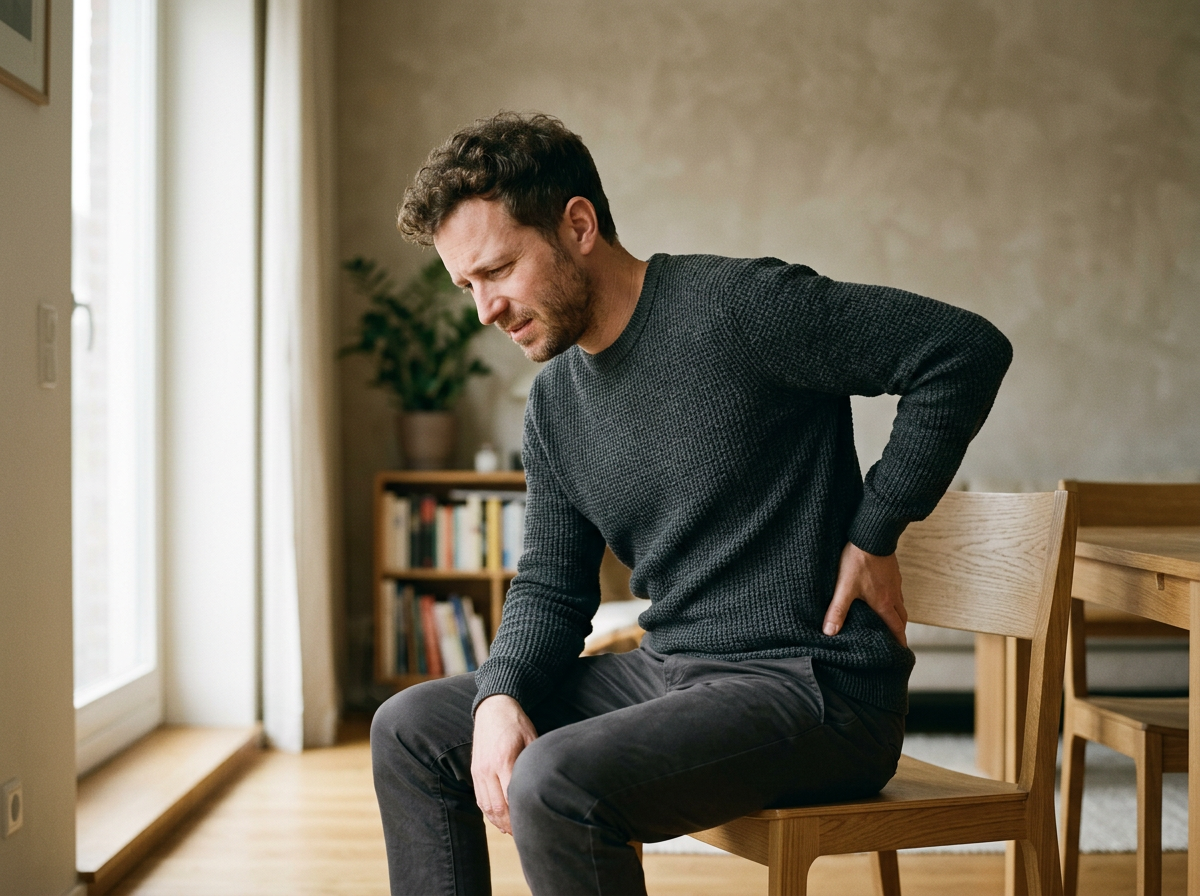
Pelvic pain can affect your ability to sit, exercise, work, sleep, have sex, use the bathroom, or simply enjoy your everyday life. Pelvic pain is not something you have to “just live with.”
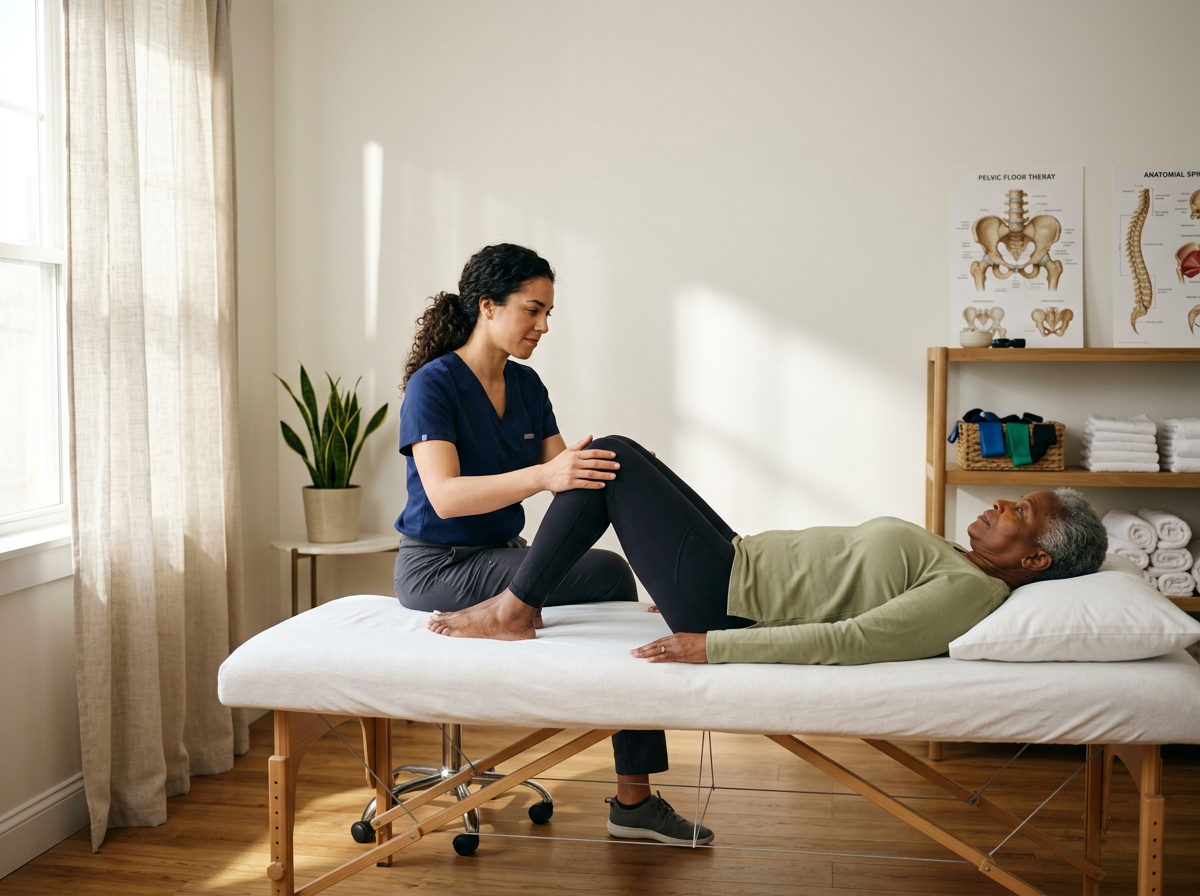
At Core Pelvic Health & Wellness, I provide individualized pelvic health physical therapy to identify the factors contributing to your pain and help you move toward lasting relief and improved function.
What is pelvic pain?
Pelvic pain is pain or discomfort felt anywhere in the lower abdomen, pelvis, hips, groin, tailbone, pelvic floor, or genital region. It may be constant or intermittent, mild or severe, and can affect women, men, and children.
Pelvic pain can have many contributing factors. Muscles, nerves, joints, connective tissue, organs, breathing patterns, posture, movement, stress, and previous injuries or surgeries may all play a role.
What can pelvic pain feel like?
Aching, pressure, heaviness, or throbbing
Sharp, stabbing, or burning pain
Pelvic or abdominal pain
Pain with sitting
Tailbone pain
Hip or groin pain
Pain with exercise or physical activity
Pain with urination
Pain with bowel movements
Pain with sexual activity or penetration
Pain during or after orgasm
Pain associated with menstruation
Pain during pregnancy or postpartum
Pain following surgery or injury
Pelvic pain can sometimes occur without an obvious injury or identifiable cause. A physical therapy evaluation can help identify musculoskeletal and movement-related factors that may be contributing to your symptoms.
Conditions associated with pelvic pain
Women
Endometriosis
Vulvodynia
Vestibulodynia
Vaginismus/genito-pelvic pain
Dyspareunia
Pelvic floor muscle overactivity
Painful menstruation
Pelvic pain during pregnancy
Postpartum pelvic pain
Pelvic pain following gynecologic surgery
Men
Chronic pelvic pain syndrome
Prostatitis/chronic prostatitis
Painful ejaculation
Testicular or scrotal pain
Penile pain
Pelvic pain associated with urinary symptoms
Pelvic floor muscle dysfunction
All patients
Pelvic floor muscle dysfunction
Coccyx/tailbone pain
Pudendal neuralgia
Abdominal or pelvic surgical pain
Hip or low-back conditions contributing to pelvic pain
Scar-related pain
Pain associated with bowel or bladder dysfunction
Why does pelvic pain happen?
Pelvic pain is often multifactorial.
There is not always one single cause of pelvic pain. Sometimes the pelvic floor muscles become tight or overactive in response to pain, injury, surgery, inflammation, stress, or another condition. Over time, this can contribute to additional pain and changes in movement.
Pelvic pain may also be influenced by the hips, low back, abdomen, breathing patterns, posture, nerves, connective tissue, or the way you move.
Pain → Muscle guarding → Changes in movement → More pain
How can pelvic floor physical therapy help?
Potential treatments might include:
Education about your symptoms and pelvic anatomy
Breathing and relaxation strategies
Pelvic floor muscle coordination
Manual therapy
Soft tissue and connective tissue techniques
Mobility and flexibility exercises
Hip and core strengthening
Postural and movement assessment
Nerve mobility techniques when appropriate
Scar tissue treatment
Exercise modification
Bladder and bowel strategies
Home exercises and self-management strategies
What happens during your evaluation?
1. Conversation
We begin by talking about your symptoms, medical history, daily activities, goals, and what you are experiencing.
2. Movement assessment
Depending on your symptoms, I may assess your posture, breathing, spine, hips, abdomen, and movement patterns.
3. Pelvic floor assessment
A pelvic floor examination may be recommended depending on your symptoms and goals. This will always be discussed with you beforehand, and you are in control of what you are comfortable with.
4. Individualized treatment plan
We will discuss what I find, answer your questions, and develop a treatment plan based on your goals.
When should I see a pelvic floor physical therapist?
Consider pelvic health physical therapy if pelvic pain is affecting your ability to work, exercise, sleep, sit comfortably, use the bathroom, participate in activities you enjoy, or engage in sexual activity.
You do not need to wait until your symptoms become severe to seek help.
You don't have to live with pelvic pain.
Understanding why you are experiencing pain is an important first step toward improving it. At Core Pelvic Health & Wellness, I will work with you to understand your symptoms, identify contributing factors, and develop a treatment plan designed around your goals.