Constipation & Bowel Problems
Bowel problems can be uncomfortable, frustrating, and sometimes difficult to talk about. Constipation, difficulty emptying your bowels, straining, bloating, or bowel leakage can affect your comfort, confidence, and quality of life.
At Core Pelvic Health & Wellness, I provide individualized pelvic health physical therapy to help identify the factors contributing to your bowel symptoms and improve the coordination of your pelvic floor, core, breathing, and digestive system.
What is constipation?
Constipation is more than simply having infrequent bowel movements. It can also involve hard or difficult-to-pass stools, excessive straining, a feeling of incomplete emptying, or needing to use specific positions or techniques to have a bowel movement.
Sometimes constipation is related to diet, hydration, medications, or gastrointestinal conditions. In other cases, the pelvic floor muscles may not relax or coordinate properly during a bowel movement.
What bowel symptoms can pelvic floor PT help with?
You may benefit from an evaluation if you experience:
Constipation
Chronic constipation
Difficulty passing stool
Straining during bowel movements
Feeling like you cannot completely empty your bowels
A sensation of blockage
Needing to change positions to have a bowel movement
Needing to press around the vagina, perineum, or rectum to help stool pass
Spending a long time on the toilet
Bloating associated with constipation
Abdominal or pelvic discomfort associated with bowel movements
Pain with bowel movements
Fecal or bowel leakage
Difficulty controlling gas
Urgency to have a bowel movement
Changes in bowel function following childbirth or pelvic surgery
Conditions associated with bowel dysfunction
Pelvic health physical therapy may be helpful for people experiencing:
Chronic constipation
Functional constipation
Defecatory disorders
Pelvic floor dyssynergia
Difficulty coordinating the pelvic floor during defecation
Fecal incontinence
Fecal urgency
Bowel leakage
Pelvic pain associated with bowel movements
Painful defecation
Bowel dysfunction following pregnancy or childbirth
Bowel symptoms associated with pelvic floor muscle dysfunction
How the pelvic floor affects bowel movements
Your pelvic floor has to relax—not just strengthen—to have a bowel movement.
When you have a bowel movement, the pelvic floor muscles need to coordinate with your abdominal muscles and breathing to allow stool to pass. Ideally, the pelvic floor relaxes while pressure from the abdomen helps move stool through the rectum.
If the pelvic floor muscles remain tense or contract at the wrong time, you may experience difficulty emptying your bowels, excessive straining, or a feeling of incomplete evacuation.
This is why “just eat more fiber” isn't always the answer.
Fiber, fluids, movement, and nutrition can all play an important role in bowel health. However, when pelvic floor coordination is part of the problem, simply increasing fiber may not fully address the underlying issue—and in some people, it may even make symptoms worse.
What can contribute to constipation and bowel problems?
Bowel symptoms may be influenced by:
Pelvic floor muscle tension
Difficulty relaxing the pelvic floor
Poor coordination of the pelvic floor and abdominal muscles
Breathing patterns
Chronic straining
Constipation
Low physical activity
Pregnancy and childbirth
Pelvic or abdominal surgery
Pelvic pain
Hip or low-back dysfunction
Changes in toileting habits
Certain medications
Dietary factors
Gastrointestinal conditions
Stress and nervous system factors
How can pelvic floor physical therapy help?
Treatment may include:
Education about bowel and pelvic floor function
Crafting a better stool
Pelvic floor relaxation
Coordination of the pelvic floor with breathing
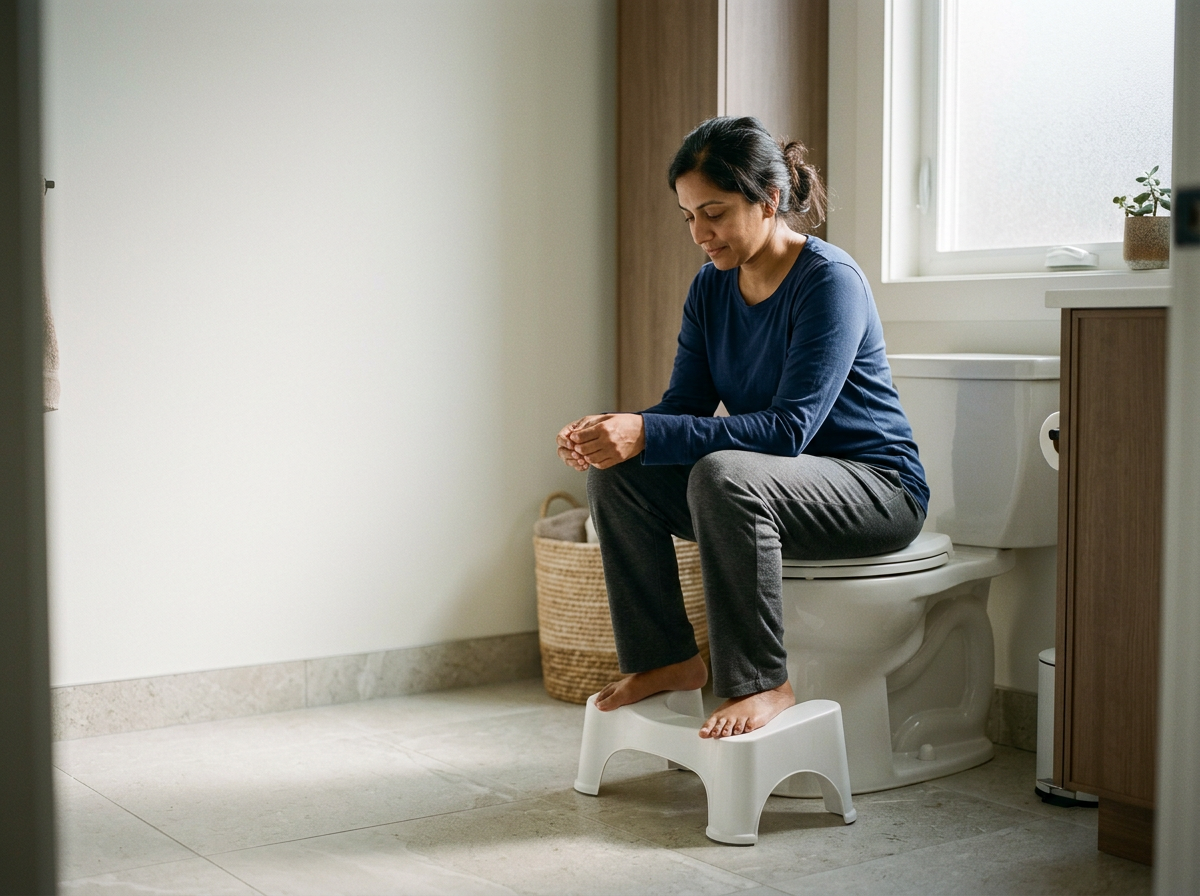
Toileting position education
Breathing and pressure-management strategies
Defecation mechanics
Abdominal and pelvic floor coordination
Manual therapy when appropriate
Mobility and flexibility exercises
Hip and core assessment and strengthening
Scar tissue treatment
Strategies to reduce excessive straining
Home exercises and self-management strategies
What happens during your evaluation?
First, we talk.
I will ask about your bowel habits, symptoms, diet and fluid intake, medical history, medications, activity level, and how your symptoms affect your daily life.
Then, we assess.
Depending on your symptoms, I may evaluate your breathing, posture, abdomen, hips, spine, core, and pelvic floor muscle function.
Then, we create a plan.
I will explain what I find and work with you to develop an individualized treatment plan based on your symptoms and goals.
And again:
An internal pelvic floor examination is not required for every patient. If an internal examination may provide helpful information, I will explain why and discuss it with you beforehand. You are always in control of your care.
Do I have to have an internal examination?”
No. An internal examination is not automatically required. Your evaluation may be completed using external assessment techniques depending on your symptoms and goals. If an internal examination is recommended, I will explain the purpose and obtain your consent before proceeding.